Prairieville Animal Hospital Animal Hospital: Grooming and Health Correlations
Grooming is more than a cosmetic routine. At Prairieville Animal Hospital, we’ve learned to see grooming as a daily health checkpoint woven into the rhythm of a pet’s life. The familiar hum of clippers, the scent of shampoo, and the routine of brushing can reveal conditions that might otherwise hide beneath fur or beneath the surface of a pet’s behavior. This article is grounded in real-world practice, drawing on years of client visits where grooming routines intersect with medical concerns, nutrition, and overall well being.
Grooming as a daily health checkpoint
Grooming creates moments of intimate observation. It’s when you notice the texture of a coat, the condition of the skin, and the character of a pet’s energy. A brushing session becomes a quick temperament gauge, a chance to observe whether a pet is stiff, tender, or unusually irritable about touch on certain areas. The routine can help owners detect subtle changes—an unfamiliar lump, a patch of itchy skin that appears more inflamed after a walk, or a toenail that has grown into the quick after weeks of neglect. These are not dramatic events by themselves, but collected over time they form a narrative about a pet’s health.
A practical approach to grooming connects the practical with the medical. Grooming by a veterinary-trained team—not just a salon first and foremost—provides an opportunity to screen for problems that might otherwise go unnoticed. When a small animal hospital becomes involved in grooming, the lines between beauty and health blur in a constructive way. The goal is not to push pets into a medical mold, but to establish a routine that respects their comfort while highlighting potential concerns that deserve a closer look.
Coats, skin, and the systems they reveal
Coats tell stories. A shiny, well-brushed coat often corresponds with good nutrition, balanced skin health, and regular activity. Conversely, a dull coat or one with patchy areas of hair loss can signal a range of issues—from allergies and parasites to hormonal imbalances or chronic inflammation. In many dogs and cats, dermatitis can begin with a simple itch that escalates into an infection if left unaddressed. Grooming sessions in our practice frequently uncover skin changes that clients might not notice, simply because the pet’s fur conceals what is happening at the surface.
It helps to understand the physics of grooming. For example, mats in long-haired breeds can trap moisture and bacteria against the skin. Even a short clip can expose irritated skin that has not yet been obvious to the owner. In certain seasons, environmental conditions intensify skin sensitivity. Humidity, dry air, and seasonal allergies can cause scratching that leads to secondary infections. A groomer who understands veterinary implications can differentiate between a routine shedding session and something that warrants a closer medical look.
From a veterinary perspective, monthly or quarterly grooming visits provide a structured cadence for observation. During a typical appointment, we look for:
- Condition of the skin, including signs of redness, flaking, or irritation
- Changes in the coat, such as unusual shedding patterns or dullness
- Nail length and foot pad health, which can influence mobility and gait
- Dental odors or signs of oral discomfort that may appear during close inspection
- Lumps or unusual lumps under fur that might require screening or imaging
These observations are not a substitute for formal exams, but they’re a critical adjunct that can preempt more serious problems. The best outcomes come from owners who combine at‑home grooming with professional oversight, creating a two-tier safety net for pets.
Grooming by breed, life stage, and individual needs
No two animals experience grooming the same way. Breed norms provide a useful framework, but individual temperament and health history steer the specifics. For some dogs, daily brushing and monthly professional grooming are essential to maintain skin health and prevent matting. For others, infrequent sessions may suffice if the coat is short and the pet tolerates handling well. Cats often benefit from regular brushing to reduce shedding indoors and to monitor the condition of the coat for signs of wellness issues.
Life stage matters too. Puppies go through fear periods and sensitivity to unfamiliar environments. Gentle, gradual exposure to grooming helps them develop tolerance, which pays off in adulthood by reducing stress during veterinary visits. Senior pets often require shorter sessions, gentler handling, and a careful eye for joints, balance, and comfort. Chronic conditions such as arthritis, dental disease, or sensory decline can influence how grooming is approached. The goal is to maintain cleanliness and comfort without triggering fear or pain.
Beyond breed and age, each pet has a personal grooming script. One dog might relish a bath but dislike nail trimming; another might tolerate brushing in short, frequent bursts but resist a full grooming session. Our approach is anchored in patience and customization. We start with a welfare-first assessment: is the pet calm enough for a given activity, and what adjustments can we make to ensure a positive, low-stress experience? If a pet has a history of skin allergies, we select hypoallergenic shampoos and tailor the rinse schedule to minimize irritation. If a patient has arthritis, we structure sessions with shorter intervals and longer break times, and we use supportive handling techniques to reduce strain on joints.
The grooming process as health care, not scheduling friction

Grooming is a modality for ongoing care, not a separate event. When a veterinarian coordinates with a groomer, the interaction becomes a bridge between preventive care and symptom management. If a groomer notices a new redness around the ear or a rough patch near the tail, they can flag it for a veterinary follow-up. The owner may then receive a brief note or a phone call with a recommendation to schedule a vet visit. This collaboration shortens the time between symptom onset and diagnosis, which often translates into faster relief for the pet.
In practice, this means keeping detailed grooming records and encouraging open communication among care teams. A simple grooming log noting changes in coat texture, skin temperature, or nasal dryness can provide a baseline for future comparisons. Pet owners might keep their own journal of observations at home, correlating activities like changes in diet, exposure to seasonal allergens, or new shampoos with skin or coat responses. The more data collected, the clearer the picture becomes.
Two practical guidelines emerge from this approach. First, always use products appropriate for the pet’s skin type and medical history. Second, never assume that a grooming task is purely cosmetic; if you notice a potential health signal, consider a veterinary evaluation before proceeding with further grooming interventions.
Grooming routines that support health without turning the process into a mystery
For many clients, grooming feels like a routine to maintain a neat appearance. In our practice, it is also a health habit. A well-designed grooming routine supports skin integrity, reduces the likelihood of matting, and helps owners catch early signs of disease. It also sets up a structure in which pets experience less stress during examinations because they are already conditioned to the tactile work involved in handling.
A thoughtful grooming plan balances efficiency with cautious care. It may look like this:
- Regular brushing to remove loose hair and distribute natural oils
- Occasional bathing with pet-safe, veterinarian-approved shampoos
- Nail trimming on a schedule that respects the quick length and paw health
- Ear cleaning guided by professional recommendations to avoid trauma
- Teeth maintenance through occasional mouth care as part of the grooming session
Each element supports comfort and health, while also reinforcing positive, predictable experiences for the pet. The routine becomes a shared ritual among owner, groomer, and veterinarian rather than a series of isolated tasks.
Common grooming findings that prompt veterinary follow-up
During grooming, several observations can signal a need for veterinary assessment. A few are straightforward, a few more nuanced, but all are worth noting for timely care. Here are some recurring signals we encounter in practice:
- Skin redness or swelling around the face or paws that persists after a bath or grooming session
- Sudden hair thinning or patchy areas that were not present in the previous visit
- Persistent ear wax buildup or a bad odor suggesting an infection or ear mites
- A nail that would not stop bleeding after trimming, indicating possible vascular issues or overgrown quick
- Changes in the eyes such as tearing, redness, or discharge that accompany general discomfort
These signs are not definitive diagnosis by themselves, but they create a compelling case for a veterinary check. The aim is not to alarm owners but to empower them to act when subtle cues appear. A proactive approach often reduces the risk of skin infections and dental problems, which can develop quickly if left unaddressed.
Choosing a groomer within the Prairieville ecosystem
For families in the Prairieville area, locating a groomer who understands the link between grooming and health comes with practical considerations. The best outcomes arise from close alignment with a veterinary practice. When you can access grooming services that readily communicate with your veterinarian, you gain a coherent care plan rather than a set of isolated appointments. In our experience, the right partnership reduces stress for the pet, clarifies expectations for owners, and ensures any health signals are escalated promptly.
Here are a few guidelines we’ve found useful in our community:
- Seek groomers who ask about medical history, current medications, and recent vet visits
- Prefer teams that use pet-safe products and have a plan for handling sensitivity or fear during grooming
- Look for visible certifications or affiliations that reflect a commitment to professional standards
- Expect a documented grooming report or summary that can be shared with your veterinarian
- Consider convenience and continuity of care, prioritizing locations where you can rotate between grooming and veterinary services without disconnects
The Prairieville advantage is a network of care built on communication. Clients who bring their pets to Prairieville Animal Hospital for medical treatment often appreciate the added layer of convenience when grooming services are in the same ecosystem. The relationship between the practitioners matters as much as the products used.
When grooming reveals a hidden health issue
There are moments when grooming assets uncover problems that require medical attention. A dog may arrive with a glossy coat that hides a silent ear infection or hip discomfort that becomes obvious only when the animal moves for a brush. A cat may present a dignified fur coat while harboring dental tartar or plaque buildup behind the scenes. The key is not sensationalism but a practical, stepped response.
If a grooming session surfaces a concern, a recommended course generally unfolds like this:
- Document the finding with clear notes and, when possible, photos
- Recommend a veterinary examination to diagnose or rule out conditions
- Align treatment with the pet’s life stage and the owner’s practical constraints
- Reassess after a defined period to gauge response to therapy and any adjustments to grooming protocols
- Maintain transparency with the owner about expected timelines and potential side effects of treatment
Edge cases remind us that there is no one-size-fits-all plan. A senior dog with chronic arthritis may show a reluctance to lie still during grooming that resembles discomfort from a skin condition in a younger animal. A cat with a delicate skin barrier due to allergies may tolerate brushing in short, frequent sessions rather than a longer appointment. The skill lies in recognizing the patterns, not overreacting to every variation, and guiding owners with empathy and evidence.
Two concise lists to summarize practical takeaways
-
Grooming benefits that translate into health advantages
-
Early detection of skin problems, lumps, and dental issues
-
Improved comfort through regular nail maintenance and mat prevention
-
Enhanced mobility when coats and nails are managed for joints and gait
-
Better hygiene reducing the risk of parasitic infestations and infections
-
Stronger owner awareness and engagement in daily health routines
-
Common grooming observations that warrant veterinary input
-
Persistent redness, swelling, or irritation around the ears or skin folds
-
Patchy hair loss or sudden changes in coat texture
-
Unusual odor from ears, teeth, or gums
-
Nails that bleed or grow into the quick despite trimming attempts
-
Eye discharge, tearing, or behavioral signs of discomfort during handling
Practical examples from the field
In practice, the bridge between grooming and veterinary care looks like everyday competence married to attentive listening. A recent case involved a small terrier mix that Habitually enjoyed baths and brushing. During a routine grooming, the team noticed a slight swelling behind the ear that had not been present in the prior visit. A quick brief examination and a recommendation for a veterinary check led to a diagnosis of an early abscess that responded well to antibiotics. If the owner had waited for the next vet appointment, the situation might have progressed, potentially complicating recovery and delaying relief.
Another case featured a middle-aged tabby cat whose fur was always kept meticulously brushed. What looked like simple shedding anomalies revealed itself to be a skin allergy flare when grooming sessions became painful for the cat. We coordinated a care plan that included an elimination diet trial and anti-inflammatory therapy, alongside a revised grooming schedule with gentle brushing and shorter sessions. The cat’s quality of life improved noticeably within weeks, and the grooming routine no longer triggered distress.
The value of preventive mindset
Grooming and health are not separate spheres but part of a continuous loop of care. A pet’s routine needs to reflect both comfort and medical prudence. Owners who invest in regular grooming with a veterinary‑savvy team tend to notice subtle shifts earlier. This translates into lower emergency visits, more predictable veterinary bills, and, crucially, less distress for the animals. It is a practical investment with durable returns.
What to expect when you bring your pet to Prairieville Animal Hospital
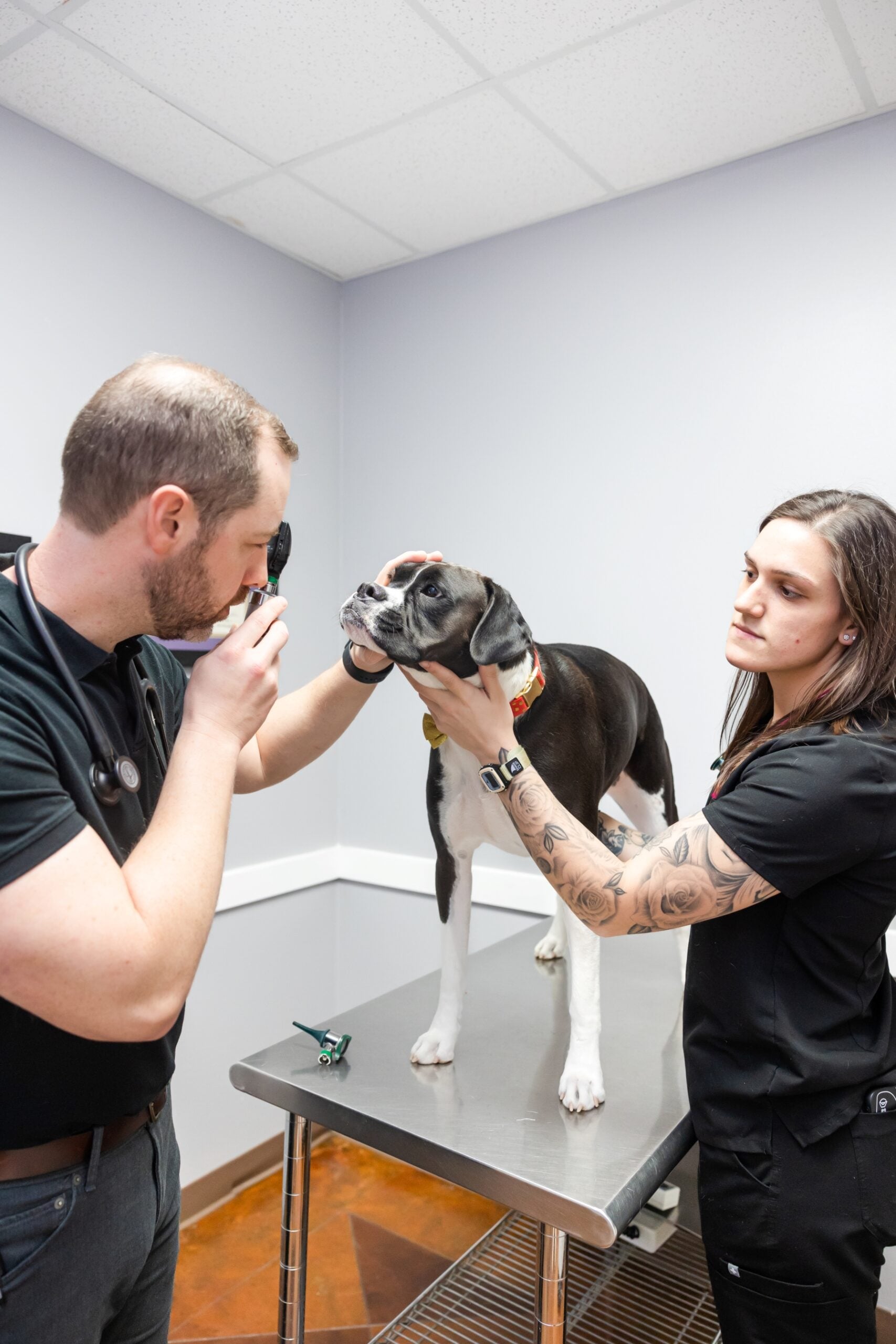
We strive to create an integrated care experience. Our veterinary team does not view grooming as a standalone service but as a facet of preventive medicine. When you schedule grooming at Prairieville Animal Hospital, you may find the following patterns:
- A brief health screen before or after grooming to capture new concerns
- Communication pathways that allow the groomer to relay notes to the veterinarian, and vice versa
- Use of products and procedures aligned with each pet’s medical history and allergies
- A flexible approach that accommodates the pet’s temperament, age, and mobility
- Clear guidance for home care between visits, including brushing technique, shampoo choices, and nail care routines
For owners, this means less guesswork and more confidence. The veterinary team is available to advise on anything that seems outside the expected routine, whether it concerns skin, ears, nails, or general energy levels.
A note on pet safety and ethical considerations
Grooming sessions carry safety considerations that demand constant attention. Clips must be performed with tools appropriate for the coat type, temperature of water, and the pet’s tolerance for handling. Ethical grooming prioritizes minimizing stress, avoiding force, and respecting the animal’s pace. When a pet becomes overwhelmed, we pause, allow rest, and adjust the plan. In a hospital setting, we can adjust medications or sedation where necessary to ensure safety while maintaining dignity and comfort.
The path forward for clients and carriers
If you are reading this as an owner wondering how to align grooming with health care, here is a practical approach:
- Establish a baseline by tracking coat condition, skin health, nail length, and general mood during grooming
- Communicate openly with your veterinarian and your groomer about any medical history, allergies, or fears your pet has
- Schedule regular grooming at a cadence that keeps skin and coat in good condition and reduces stress
- Seek groomers who can collaborate with your veterinary team and who understand what signs warrant a veterinary follow-up
- Keep a simple at‑home log to note anything unusual between visits, including changes in appetite, energy, or activity
The Prairieville ethos is built on listening closely and acting prudently. We know that the best outcomes come from a team approach where groomers, technicians, and veterinarians view the pet as a whole being rather than a collection of symptoms. It is in this shared framing that grooming becomes a meaningful component of a pet’s long-term health strategy.
Closing reflections on grooming as part of a broader health program
Grooming is a discipline with clear, practical benefits. It reorganizes daily routines into a framework that supports health, comfort, and early problem detection. For families entwined with prairie life, where outdoor activity is common and seasonal changes are frequent, grooming routines offer an accessible, repeatable touchpoint for wellness. The real strength lies in the seamless cooperation between veterinary and grooming teams, and in the owner’s willingness to engage as a partner in care.
At Prairieville Animal Hospital, we have watched what happens when grooming and medicine converge. We have seen cases where a routine brushing exposed a skin condition before it escalated, where nail care slowed the pace of mobility challenges in an older dog, and where a calm grooming session served as the first step toward rebuilding trust after a medical procedure. Those moments are the reason we emphasize this intersection in our practice.
If you are considering grooming for your pet, or if you suspect a health issue while brushing, the best step is often the simplest: make the vet near prairieville la call. Reach out to your veterinarian or to the grooming team at Prairieville Animal Hospital to discuss how to tailor a plan that respects your pet’s comfort, supports their health, and keeps routine care predictable and humane. The goal is steady progress—an everyday commitment that adds up to a healthier, happier life for your animal companion.