Prairieville Animal Hospital Animal Hospital: Preventive Care Rewards for Pets
The decision to commit to preventive care for a beloved pet is rarely dramatic. It happens in quiet moments between feeding and grooming, when a wag of the tail or a purr reminds us that health is a daily conversation, not a single exam. At Prairieville Animal Hospital, we have learned that small, consistent steps toward wellness can add years of happy, active days for dogs and cats alike. Our preventive care rewards program is designed not as a gimmick, but as a practical, value-driven framework that keeps veterinary visits predictable and beneficial for families who juggle budgets, calendars, and the many demands of pet ownership.
From the front desk to the exam room, the benefits of preventive care start with a simple premise: early detection and steady maintenance beat crisis care every time. When a pet’s health is monitored regularly, subtle shifts in energy, appetite, coat quality, or weight can be caught before they become substantial problems. That principle underpins the rewards program and shapes every interaction we have with clients who choose to participate. The result is a collaborative relationship between you and the hospital staff, built on trust, transparency, and a shared commitment to your pet’s well being.
The foundation of preventive care is familiar to most pet owners: vaccines, parasite prevention, dental care, routine screenings, and a focus on nutrition and activity. What differentiates our program is the lens through which we view these elements. Rather than treating care as a series of isolated appointments, we frame it as a continuum—an ongoing partnership that makes sense financially and clinically. The program rewards consistency, predicts annual needs, and clarifies what to expect at each milestone along the way.
For many families, the path to preventive care is paved with questions. How often should a younger, healthy pet be seen? When do dental cleanings become necessary? How do we balance the cost of routine care with the hope of avoiding expensive emergencies? Our answers are grounded in real-world practice. We consider age, species, breed, lifestyle, medical history, and individual risk factors. We do not impose a one-size-fits-all script; we tailor recommendations so that the plan feels doable and worthwhile for each household.
In practice, preventive care rewards at Prairieville Animal Hospital are more than discounts or points. They encapsulate a philosophy: care should be proactive, predictable, and transparent. The rewards system is a practical tool for families who want to stay ahead of potential problems without sacrificing quality. It encourages routine wellness exams, consistent vaccination status, timely parasite control, dental maintenance, and proactive nutritional planning. The ultimate aim is simple: fewer emergencies, longer healthy lifespans, and a stronger bond between pets and their people.
A closer look at how the program works reveals a steady rhythm that aligns with real life. Clients enroll and establish a baseline health profile for their pet. From there, visits are scheduled in a rhythm that reflects age and risk. The rewards accumulate as milestones are met—typical markers include annual wellness checks, updated vaccines, dental examinations or cleanings as recommended, parasite prevention refills, and nutrition consultations when appropriate. The structure is straightforward, but the benefit is accumulative: each milestone reinforces healthy habits and reduces the likelihood of sudden, costly problems.
In the sections that follow, you’ll find concrete examples from our day-to-day work, including the kinds of conversations we have with clients, the decisions we make together, and the tangible outcomes that come from sticking with a preventive plan. You’ll also read about trade-offs and edge cases, because real life rarely fits a perfect template. The aim is not to promise miracles but to offer a reliable framework that supports boarding kennels prairieville la pet health, owner peace of mind, and a smoother ride through the medical landscape that every pet eventually travels.
A practical starting point for most families is the question of who benefits most from preventive care rewards. The answer is straightforward: all pets. Puppies and kittens enter a phase of rapid development where vaccines, microchipping, and early nutrition set the trajectory for their adult health. Seniors bring their own set of needs, with more frequent screenings for chronic conditions and a renewed emphasis on dental health and mobility. For working adults who share a home with a high-energy dog or a curious senior cat, the program helps balance busy schedules with the routine checks that matter. For families managing medical histories, the rewards offer a predictable cadence so that care remains consistent rather than reactionary.
One feature of the program that often resonates is its clarity about what is included at each stage. In the early years, the emphasis is on growth and immunization, establishing baseline vitals, weight tracking, and preventive parasite control. As pets age, the focus shifts toward early detection of common geriatric issues, such as dental disease, kidney function, thyroid, and arthritis risk. The reward system mirrors this shift, recognizing ongoing participation with benefits that support both routine care and occasional extra diagnostics when indicated. This clarity helps owners plan for the year with confidence, rather than guessing at annual costs or the need for surprise procedures.
Throughout the practice, the conversation around preventive care rewards remains anchored in real-world constraints. Clients often voice concerns about time, travel, and the economics of pet health. We respond with practical strategies that respect those concerns while preserving the integrity of medical care. For example, scheduling flexibility matters. Some families prefer a single morning visit to accommodate work, while others appreciate late afternoon options to minimize disruption. We aim to accommodate both. In terms of cost, the rewards program is designed to yield meaningful savings while ensuring that all recommended services are completed. The balance between value and clinical necessity guides every recommendation.
As with any health program, there are edge cases that deserve careful attention. A vibrant 8-year-old Labrador with a history of skin allergies may require a different preventive approach than a spry 2-year-old terrier with no prior medical issues. A cat with a predisposition to dental disease may need more frequent dental cleanings than a cat with excellent oral health. In these scenarios, our team leans on two pillars: precise medical judgment and clear client communication. We adjust visit frequency, tailor vaccines if needed, and integrate nutrition and activity planning that accommodates the pet’s temperament and the family’s routines. The reward system remains client-centered, flexible enough to reflect the reality of pet health while preserving the core purpose of prevention.
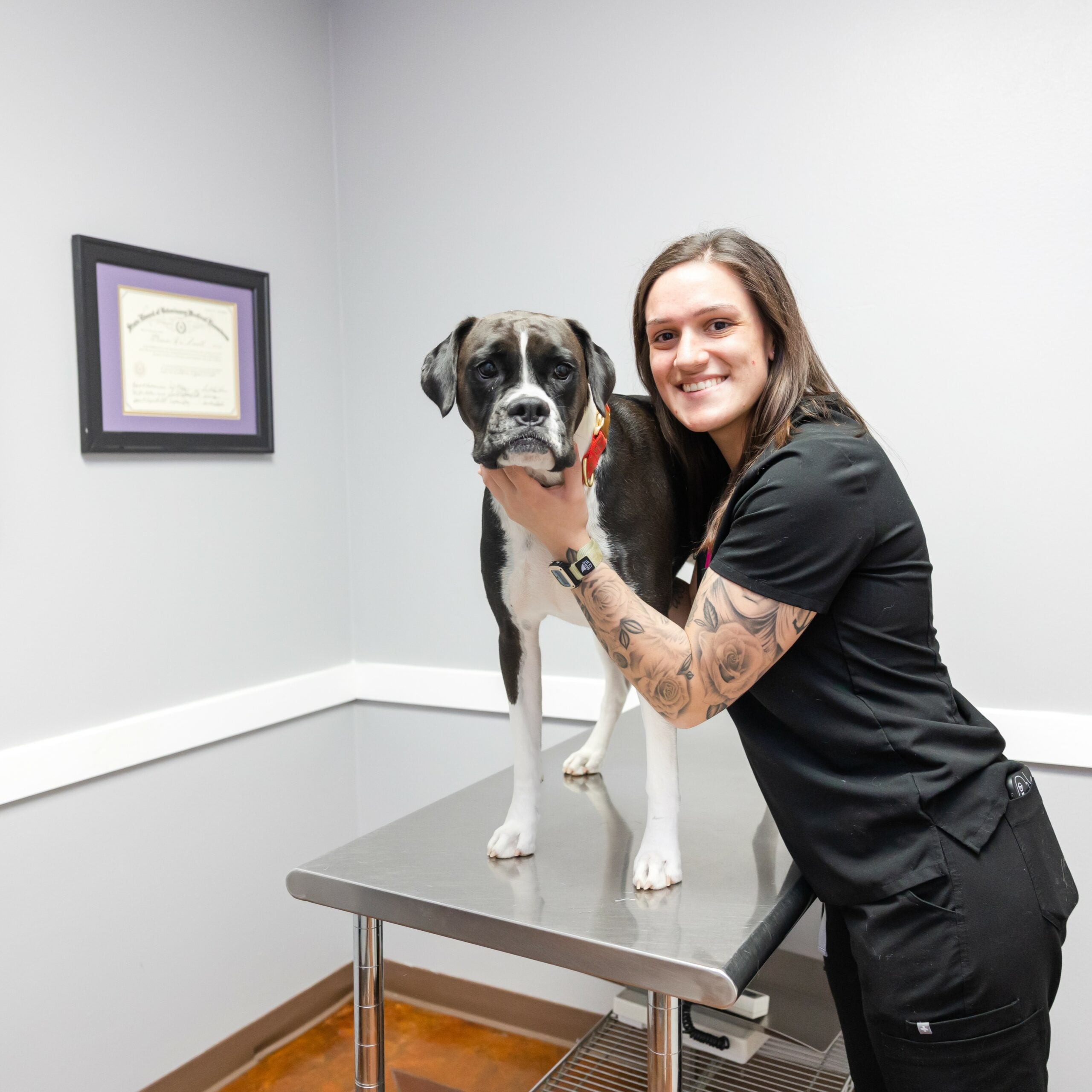
To make the program tangible, consider a typical year for a healthy adult dog living a middle-class schedule. The cycle might look like this: a wellness exam every 12 months, with vaccinations updated according to the schedule appropriate for the dog’s age and risk. Parasite control, including monthly preventives and annual heartworm testing where indicated, becomes a steady obligation that the family can manage alongside grooming and routine microchip checks. Dental health is addressed with two cleanings across the adult life span, if recommended by the clinician, plus daily brushing or adjunct dental care at home. The insurance or payment landscape for such a plan varies by household, but the rewards offer a predictable, affordable pathway to cover the essentials without sudden lump-sum expenses.
If you are new to Prairieville Animal Hospital, you may wonder how the team measures progress within the rewards framework. The answer lies in a straightforward set of clinical markers coupled with practical milestones. Clinically, we monitor weight trends, body condition scores, and lab results that reflect organ health. We track vaccination status to ensure up-to-date protection against preventable diseases. We assess dental health through visual examinations and periodic cleanings, ensuring that periodontal disease does not quietly erode comfort and quality of life. From a practical perspective, a milestone might be a yearly exam completed on time, a parasite prevention refill kept current, or a dental cleaning performed when indicated. Each milestone earned reinforces the value of staying engaged with preventive care, and each reward earned reduces out-of-pocket costs for the pet owner.
The rewards themselves are not merely points or discounts. They function as a bridge between what is clinically advisable and what families can reasonably commit to over time. The program’s philosophy recognizes that prevention is not a one-off event but a series of small, regular choices that accumulate significant health dividends. This approach translates into fewer unexpected illnesses, which translates into fewer emotionally charged emergencies and better outcomes for pets. In practice, it also means families gain a sense of empowerment, knowing that their routine decisions are aligned with a longer-term plan rather than a patchwork of ad hoc interventions.
To illustrate the human side of preventive care rewards, let me share a couple of quick, authentic moments from the clinic. A client once explained that the monthly reminder notices helped them keep a leash on the calendar without becoming overwhelmed by the cost. Another family reported that the dental exam identified early tartar build-up, and with a scheduled cleaning they were able to avoid the more invasive and costly alternative later on. In both cases, the relationship mattered as much as the numbers. The staff took time to explain the diagnostic findings, discuss the implications, and lay out the path forward in terms that felt grounded rather than alarmist. This is the essence of preventive care done well: practical, compassionate, and relentlessly patient-centered.
The experience of implementing this program has shown us that some clients respond best to a structured path, while others thrive with a looser, more advisory role. For the former, the rewards create a predictable rhythm—annual visits, timely vaccinations, semi-annual dental checks, and periodic nutrition consultations. For the latter, the same framework becomes a checklist that ensures nothing falls through the cracks, all while preserving space for questions and adjustments as life evolves. The key is to remain transparent about what is included, what is optional, and what the clinical rationale is behind each service.
Beyond the routine, there are opportunities to tailor preventive care to individual circumstances. A pet with a high risk of dental disease might benefit from more frequent at-home dental care support, such as enzymatic toothpaste or dental diets, in addition to regular cleanings. A dog predisposed to obesity may require a structured nutrition plan, with a measurable target and ongoing coaching. A senior cat with early kidney changes could be enrolled in a monitoring protocol that includes periodic blood and urine tests to catch shifts before they affect quality of life. In each case, the rewards program supports a proactive stance rather than a reactive one, preserving the animal’s comfort and the family’s confidence in the care team.
Practical tips for families considering or already enrolled in the program can help maximize benefits. First, set a recurring calendar reminder for wellness visits and parasite prevention refills. Consistency reduces the likelihood of gaps in protection and makes the financial planning easier. Second, engage in dialogue about home care routines. The most significant health gains often come from daily actions outside the clinic doors, such as brushing teeth, controlling weight through measured meals, and encouraging age-appropriate activity. Third, bring a notebook to visits. Jotting down questions about behavior, appetite changes, or slight shifts in energy ensures that no concern goes unaddressed during the appointment. Fourth, take advantage of nutrition counseling when offered. Weight management can be a decisive factor in preventing multiple health issues down the line, including joint problems and diabetes. Fifth, don’t hesitate to ask for a cost estimate before any procedure that falls outside routine preventive care. A clear understanding of the financial implications reduces stress and helps families stay on track with the plan.
Despite the clarity and structure, the program remains flexible. We recognize that life is dynamic, with schedule changes and unforeseen events. If a family falls behind on a preventive milestone, we do not abandon the relationship. Instead, we work together to reestablish a feasible cadence, perhaps by prioritizing a quick check-in visit to address concerns and renegotiate the plan. The goal is to preserve momentum, not to penalize a temporary disruption. This, in practice, is what makes preventive care rewards sustainable over the long haul.
The experience of implementing the program has reinforced a core truth: health is a partnership. The veterinarian brings medical knowledge and clinical judgment; the client brings daily responsibility and intimate knowledge of the pet’s life. When those elements align, the likelihood of long, healthy lifespans rises. The rewards are the visible, tangible outcomes of that alignment. Fewer urgent visits, better dental health, stable weight, and a pet that remains engaged with family members through the years. For many clients, those outcomes translate into peace of mind as much as they translate into medical metrics.
As you consider whether preventive care rewards are right for your family, reflect on three practical questions. First, what does your current routine allow for wellness visits and follow-ups? Second, are you comfortable with a structured preventative plan that grows with your pet’s needs? Third, which aspects of care most affect your day to day life—dental health, parasite prevention, vaccines, or nutrition coaching? The answers will shape how you approach enrollment and how you interact with the care team at Prairieville Animal Hospital.
In meeting the needs of diverse households, the program also accommodates a range of pet types. Dogs and cats remain the primary focus, but the principles apply to other common companion animals as well. The underlying objective is universal: prevent disease, protect comfort, and extend the time families get to share with their animals. The approach remains practical and grounded in the realities of veterinary medicine, without unnecessary complexity or overpromising. We are careful to guard against the trap of assuming that prevention eliminates risk completely. Instead, we acknowledge that prevention reduces risk and emphasizes early detection when problems do arise.
For households that have endured particularly tight months, the rewards program can still deliver value. The incremental nature of the benefits means that even modest annual savings accumulate, especially when considered against the cost of emergency care or late diagnoses. Families often discover that their financial planning becomes simpler once the year is mapped around predictable care milestones rather than unpredictable crises. The emotional relief that comes with this financial predictability is real as well, because it reduces the stress that can accompany pet health decisions.
In closing, the preventive care rewards program at Prairieville Animal Hospital embodies a practical, humane approach to pet health. It is not a flashy marketing scheme, but a carefully designed framework built on clinical evidence, everyday experience, and a commitment to families who want their pets to enjoy long, vibrant lives. The program rewards consistent attention to vaccines, parasite control, dental health, and nutrition, while offering flexibility to adapt to each pet’s unique journey. It is about partnership, clarity, and a shared sense that prevention, managed well, is the strongest medicine we have for dogs and cats alike.
Two things that stand out after years of applying this approach are cadence and trust. Cadence comes from the predictable rhythm of checkups, vaccines, dental health, and home care reminders that keep a pet in good shape. Trust grows when clients see the benefits firsthand: fewer trips to the emergency clinic, better comfort for senior pets, and a sense of control over veterinary expenses. This is the everyday reality of preventive care rewards, and it is the reality we strive to sustain with every client who walks through our doors.
If you are curious about specifics or want to discuss how a tailored plan could fit your pet, our team is ready to listen. We can walk through the exact components of the rewards program, estimate potential savings, and map out a year that aligns with your family’s schedule and budget. The conversation can begin at a routine wellness visit, a dental assessment, or a quick phone call. What matters most is that you feel informed, supported, and empowered to make decisions with your pet’s long-term health in mind. Prairieville Animal Hospital is here to partner with you, every step of the way, with a clear path forward and a steady commitment to care that stands the test of time.
In the end, preventive care rewards are about leaving a legacy of health for the animals we love. It is a quiet, persistent practice that pays back in energy, vitality, and the comfort of knowing you did what you could to protect your companion. The value is not measured in a single exam or a single discount. It is measured in the continuity of care, the daily routine that keeps disease at bay, and the confidence that you and your pet have a future worth looking forward to. That is the heart of Prairieville Animal Hospital’s preventive care rewards, and the reason so many families choose to participate year after year.