Prairieville Animal Hospital’s Preventive Care Toolkit for Pet Owners
A visit to an animal clinic near me might focus on vaccines, but preventive care is a web of daily choices, not a single appointment. Prairieville Animal Hospital approaches this as a partnership with pet owners. The toolkit described here grows out of years spent guiding families through the twists of pet health in Prairieville, where seasons, fences, and daily routines shape a veterinary plan as much as any medical protocol. The goal is practical clarity: you should understand what to do, why it matters, and how to fit it into real life without turning care into a chore.
A steady routine keeps illness at bay, and the right safeguards reduce emergency visits. The preventive approach isn’t about chasing perfect health in a single step. It’s about building consistency. It’s about recognizing that what happens at home often matters most, and that a good veterinary partner helps you translate advice into actions that fit your household, your budget, and your values.
Vaccinations and parasite control form the spine of preventive care, but the toolkit extends beyond shots. It covers nutrition, weight management, dental health, mental well-being, and the small daily checks that catch trouble before it becomes something bigger. In practice, the toolkit looks like a calendar, a checklist, and a set of habits you can weave into ordinary days.
Vaccinations, parasite prevention, and proactive health checks
A preventive plan starts with a clearly explained vaccination schedule and a strategy for parasite control. It’s hard to overstate the value of predictable protection, especially for dogs and cats that roam in yards, parks, or boarding facilities. Prairieville Animal Hospital emphasizes evidence-based protocols that reflect a pet’s lifestyle, age, and health status. When an owner asks, “What do I need right now?” the reply is specific, not abstract. We discuss core vaccines and so-called non-core vaccines, then tailor the plan to your pet’s risk. The discussion includes how often vaccines should be updated and what tests accompany yearly wellness visits. The aim is a sustainable plan that minimizes gaps and avoids over-vaccination.
Similarly, parasite prevention is not one-size-fits-all. Heartworm prevention, flea and tick protection, intestinal parasites, and seasonal considerations require a practical rhythm. The choice of preventive products, their administration schedule, and how to monitor for side effects depend on the animal’s age, weight, and environment. The core concept is repeated monitoring. A dog that enjoys early-morning park runs may need a different approach from a senior cat with limited outdoor exposure. In every case, the conversation moves toward a plan that’s easy to implement and easy to adjust.
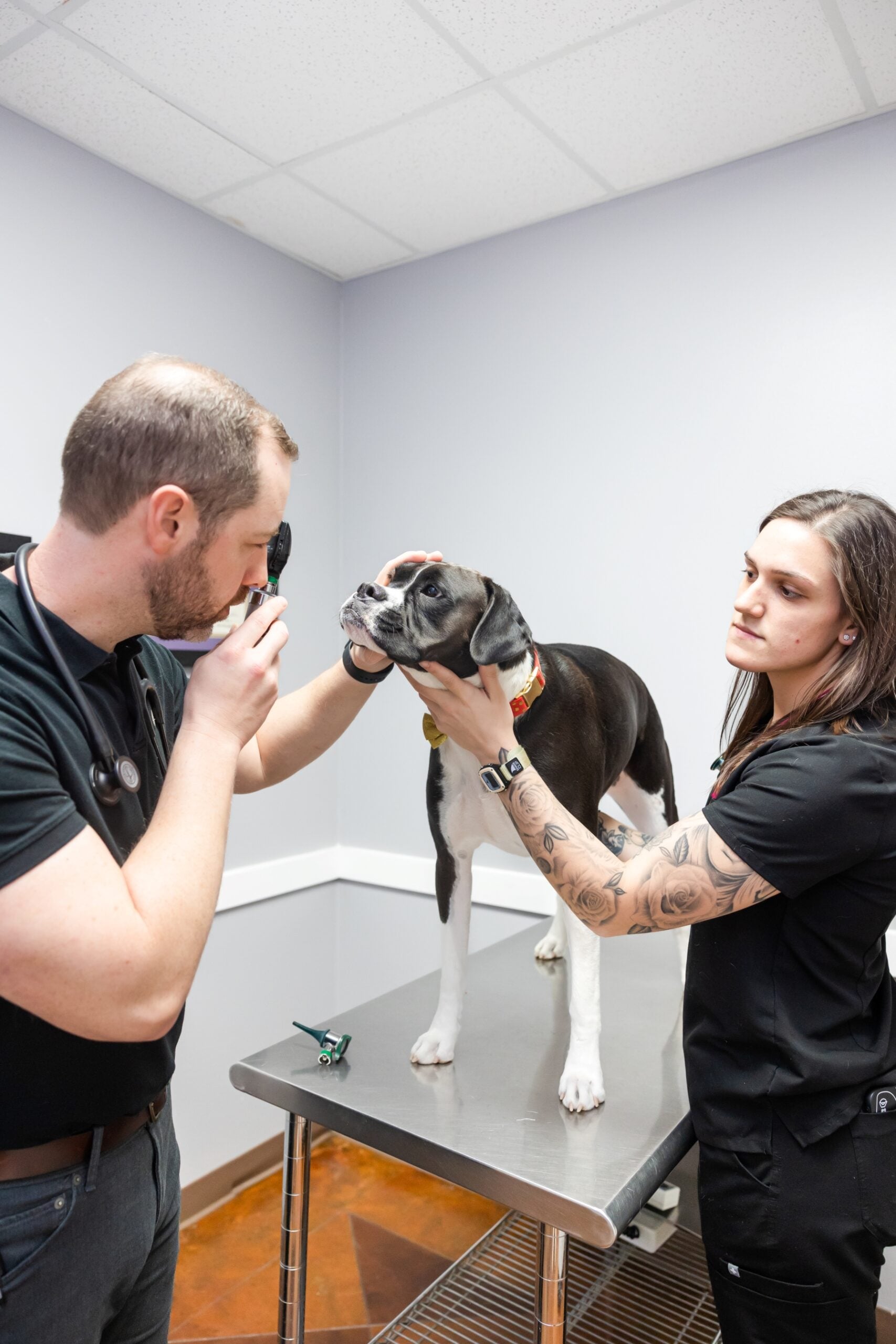
A veterinary visit remains essential, not optional. Even with a robust home routine, annual or semi-annual wellness exams identify issues a owner might not notice. A veterinarian looks for subtle signs: changes in gait, appetite patterns, or coat condition. The exam often includes a physical, a brief auscultation of the heart and lungs, and a quick screening that can flag evolving problems. The goal is early detection so treatment stays simpler and less costly.
Nutrition, weight management, and the way we feed
The toolkit includes a practical approach to feeding that aligns with a pet’s life stage and activity level. Dogs and cats differ in metabolic needs, and even within a species, energy requirements shift with age and health status. What works for a spry two-year-old beagle may not suit a recovering arthritic senior. A key element is portion control based on weight and body condition rather than a fixed number of cups. A well-managed diet reduces the risk of obesity-related conditions, supports joint health, and can even influence the course of chronic illnesses. The veterinary team at Prairieville Animal Hospital often recommends a baseline body condition score and uses it as a conversation anchor. If a pet carries extra weight, the plan may include gradual calorie reduction, increased activity, and a review of treat choices. If a pet is underweight due to illness or poor appetite, the plan shifts toward nutrient-dense meals and appetite-stimulating strategies within a safe medical framework.
Choosing a pet food is not a moral stance but a practical one. The toolkit treats labels with skepticism, encouraging owners to ask for the full context behind statements like “grain-free” or “high protein.” Many conditions have nuanced dietary implications. A professional can help you read ingredient lists, assess feeding guidelines, and adjust routines as health or activity changes. When a pet boards at Prairieville Animal Hospital for boarding PrairievilleAnimalHospital.com, the feeding plan is not an afterthought. It’s integrated into daily care, with clear instructions for the kennel staff and a pin‑pointed feeding schedule that keeps digestion steady.
Dental health, a cornerstone often underestimated
Dental care deserves a place of priority in any preventive program. It affects appetite, mood, and overall comfort. A routine at-home dental routine matters as much as periodic professional cleanings. For cats, dental care tends to be neglected more often than it should, but the ripple effects are real. A cat with tooth pain will slow down, avoid meals, and withdraw socially. A dog with inflamed gums may suffer in ways that aren’t obvious unless you look for early signs: bad breath, reluctance to chew, or visible tartar buildup. The toolkit includes practical dental care steps that fit into ordinary days: a brushing routine, dental chews chosen with veterinary guidance, and periodic professional evaluation. A realistic plan takes into account a pet’s temperament, the owner’s timing, and the availability of veterinary services for cleanings and anesthesia-free options when appropriate. In practice, it means scheduling dental assessments at regular wellness visits and keeping a watchful eye for subtle changes in chewing behavior or appetite.
Monitoring daily life for subtle signals
A robust preventive strategy relies less on dramatic interventions and more on consistent observation. Home monitoring focuses on routine checks that become second nature. Observing appetite, energy level, mobility, and coat or skin condition forms the backbone of early problem detection. In an ideal week, you might notice a slight shift in a pet’s gait after a long walk, a marginal drop in water intake, or a momentary change in sleeping patterns. None of these is definitive on its own, but taken together they create a narrative. The key is to track changes and respond promptly. The visit website veterinary team at Prairieville Animal Hospital often recommends keeping a simple journal that records weight, activity level, appetite, and notable behaviors. A shared log helps when you bring the pet in for a wellness visit or when you have to explain concerns to a new caregiver.
A practical ritual involves basic home checks during care routines. When you brush your pet, you can assess the skin for lumps, bumps, or areas of irritation. During meals, note any chewing difficulty or changes in appetite. If you notice coughing or sneezing that persists beyond a few days, it’s a signal to seek guidance rather than assuming it will pass on its own. For older pets, joint stiffness in the morning can hint at arthritis or other inflaming conditions. Early conversation with a veterinarian could slow progression and preserve function.
Pet boarding PrairievilleAnimalHospital.com and day-to-day care
For families with busy schedules or travel, boarding at Prairieville Animal Hospital means more than a safe space. A good boarding program aligns with preventive goals, treating the kennel environment as an extension of daily care. Consistency matters when a pet is away from home. A clear feeding plan, a familiar routine, and a set of enrichment activities help minimize stress and keep health parameters stable. When pets board, the staff can monitor weight, appetite, and activity, and they can communicate any deviations to the owner. A well-run program will maintain vaccination records, parasite prevention schedules, and a concise medical history, so the pet remains within a familiar preventive framework even while traveling.
Two lists that anchor practical action
1) What to bring to a preventive care visit
- A current vaccination and medical history, including any changes in medications or new health concerns.
- A list of current foods, treats, medications, and supplements the pet uses.
- Observations about appetite, energy, mobility, and coat condition since the last visit.
- Any questions you want to ask the veterinarian, no matter how small they seem.
- A short note on daily routines, exercise level, and exposure to other animals in the past year.
2) At-home care routines that support preventive health
- Maintain a consistent feeding schedule and portion control aligned with the pet’s weight goals.
- Brush teeth regularly and use veterinarian-approved dental care products to support periodontal health.
- Schedule and keep wellness visits, including annual or semi-annual exams and age-tailored screening tests.
- Track weight, activity, and appetite in a simple log to catch gradual changes.
- Keep parasite prevention on a regular calendar and update products as advised by the veterinary team.
The two lists above are intentionally compact. They serve as practical anchors in a landscape where life is busy and pet health demands daily attention. The idea is not to overwhelm but to empower. If you know what to bring and what routines to sustain, you remove a layer of ambiguity from preventive care. The hope is that families will feel more confident in conversations with the veterinary team and less likely to postpone important steps.
Senior pet care and the realities of aging
As pets grow older, the preventive toolkit evolves, not because the fundamentals change, but because the needs do. Senior pets benefit from more frequent wellness checks, more attentive monitoring for mobility or cognitive changes, and a careful review of medications and potential drug interactions. A practical approach is to transition to a more frequent but shorter appointment schedule, enabling closer observation of age-related shifts. This period often calls for heightened attention to dental health because dental pain can intensify in older animals and complicate other health issues. It also requires a tuning of nutrition that supports nerve and muscle function, joint health, and digestive stability.
Edge cases surface in aging animals with chronic conditions. A pet with kidney disease, for example, may require adjustments in protein and phosphorus levels under veterinary guidance. A pet with osteoarthritis may benefit from joint-support supplements or targeted physical therapy recommendations. The preventive toolkit remains anchored in daily life decisions, but it becomes more nuanced when disease processes are present. In these situations, the focus shifts to maintaining quality of life and ensuring that the pet remains comfortable and engaged. The role of the veterinarian becomes one of ongoing assessment and careful collaboration with the owner to adapt the plan as conditions change.
The practicalities of implementing preventive care
One of the enduring challenges is translating clinical recommendations into everyday routines. The best plan on paper falters if it doesn’t align with a family’s schedule, budget, and values. Prairieville Animal Hospital emphasizes collaboration, which means you can expect honest conversations about what is feasible. If a suggested dietary change seems disruptive or expensive, the team will explore alternatives that preserve core benefits. If a parasite prevention regimen feels cumbersome, the staff will help you choose products that fit your lifestyle and comfort level. The objective is a plan that you can sustain, not a heroic effort that fades after a few weeks.
The journey often involves incremental steps. A first year of preventive care might prioritize vaccination and routine checks, with a plan to introduce dental care gradually. Later, you add a home-monitoring habit and a consistent weight management plan. Small, steady improvements accumulate into a robust long-term strategy. The database of patient experiences gathered by the Prairieville Animal Hospital team supports this approach. It’s not about chasing perfection but about building resilience for pets at different life stages.
Real-world examples that illuminate practice
-
A family with a young Labrador retriever adopted a puppy with a busy travel schedule. They set a shared calendar for vaccines, parasite prevention, and a weekly weight check in a notebook that went to every boarding facility or kennel visit. Over the first year, they cut down on emergency visits by staying ahead of intestinal parasites and keeping the dog’s weight in a healthy range. The owner learned to interpret subtle signs, such as a slight dip in energy after a long day at work, and sought guidance without delay.
-
A cat owner living near a busy street asked about dental care after noticing slightly bad breath and reduced interest in hard food. The veterinary team conducted a quick dental assessment, recommended a dental cleaning schedule with pre-anesthetic testing, and introduced a routine of daily brushing and a veterinary-approved dental treat. The cat remained comfortable, and the owner gained confidence in spotting early indicators of dental discomfort.
-
A senior dog with arthritis required a shift in exercise and a careful re-evaluation of nutrition. The owner maintained a daily short walk, incorporated gentle stretching, and adjusted calorie intake to prevent weight gain. The veterinarian helped transition to a senior formulation that supported joint health while maintaining the dog’s overall vitality. The result was steadier mobility and a more engaged daily routine.
-
A household with multiple pets, including a senior cat and a senior dog, faced a seasonal parasite risk when guests brought in ticks from an outdoor garden. A shared preventive plan kept both pets protected without duplicating products. The clinic helped synchronize the schedule to minimize confusion and maximize coverage.
-
A boarding routine at PrairievilleAnimalHospital.com offered peace of mind during travel. The staff followed a precise feeding plan, observed changes in appetite or activity, and updated the owner promptly about any concerns. The experience reinforced the importance of continuity in preventive care even when life pulls you away from home.

A final note on accessibility and community
Access to preventive care should not be a luxury tied to geography or income. Prairieville Animal Hospital strives to balance comprehensive medical care with affordability and practicality. If the cost of preventive services becomes a barrier, ask about phased plans, preventive care packages, or staged introductions to new routines. The clinic can help you prioritize interventions that yield the greatest impact for your pet, while offering flexible options for payment and scheduling.
In addition to direct care, there is value in community knowledge. Local networks, online resources from Prairieville Animal Hospital, and guidance from the veterinary staff provide a steady stream of practical ideas. The aim is to reduce guesswork and build confidence. The preventive care toolkit is not a product to purchase; it is a set of daily habits and a framework for decision-making that stays relevant for years.
Where the toolkit meets daily life
The art of preventive care lies in translating medical insight into actions you can maintain. It is not a parade of recommendations, but a thoughtful, actionable plan that respects your life as a caregiver. The Prairieville approach recognizes that every pet is a little different, and every household has its own rhythm. By integrating vaccinations, parasite control, nutrition, dental care, home monitoring, and senior pet considerations into a coherent routine, you build a resilient platform for pet health.
If you are seeking an animal clinic near me that treats preventive care as a continuous practice rather than a one-off event, consider scheduling a wellness visit and bring the questions that keep you awake at night. A trusted veterinarian near me can help you map out a realistic year, including seasonal considerations such as tick exposure in spring, indoor heat cycles in winter, and the particular hazards your pet might encounter. The aim is practical clarity, not jargon, and a plan that feels doable in your own kitchen and yard.
The preventive care toolkit, in short, is a promise that health is not a single checkpoint but a continuum. It is a collaboration between pet owners and their veterinary team, rooted in everyday practice, and anchored in real-world constraints. It’s about the small, consistent choices that keep a beloved animal thriving through adolescence, middle age, and the complex years of senior life. It’s about being proactive, not reactive, and about turning good intentions into durable routines that stay intact through busy seasons, travel, and life’s unpredictable moments.
If you would like to learn more about how Prairieville Animal Hospital can tailor a preventive plan to your pet, reach out to the clinic or visit PrairievilleAnimalHospital.com. The path to better pet health is not a mystery; it is a set of manageable steps guided by professionals who understand the daily realities of pet ownership in Prairieville. The toolkit exists to support you in making those steps with confidence, clarity, and care.